
AI Agents Helped Me Ship Five Products. Two Are Already Profitable.
 Andres Max
I shipped five products recently. All within about six weeks. Different stacks, different users, totally different problems. Two of them are already making money.
I know that sounds like the setup for a “here’s what I learned” thread. It’s not. I’m still processing it honestly. I didn’t plan to build five things at once. I just kept finding problems I wanted to solve, and the gap between “I have an idea” and “it’s live with users” got so small that I couldn’t stop.
What I actually built
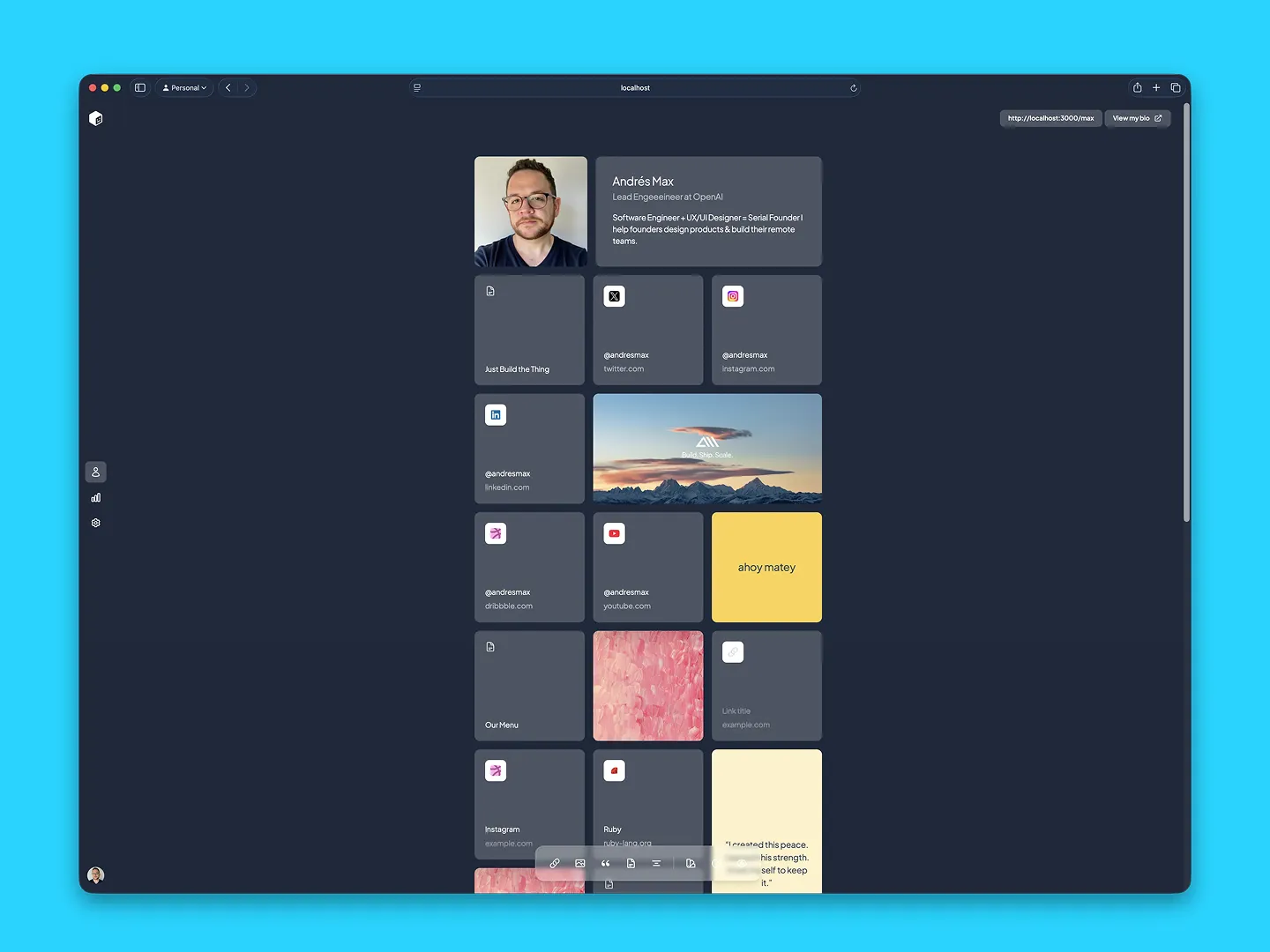
tini.bio is a visual link-in-bio builder with bento layouts. Creators use it to set up personal sites and portfolios without code. Over 2,500 active sites now, around 20 new signups a day, $9/month Pro tier that keeps growing. This one’s profitable and I’m locked in on it.
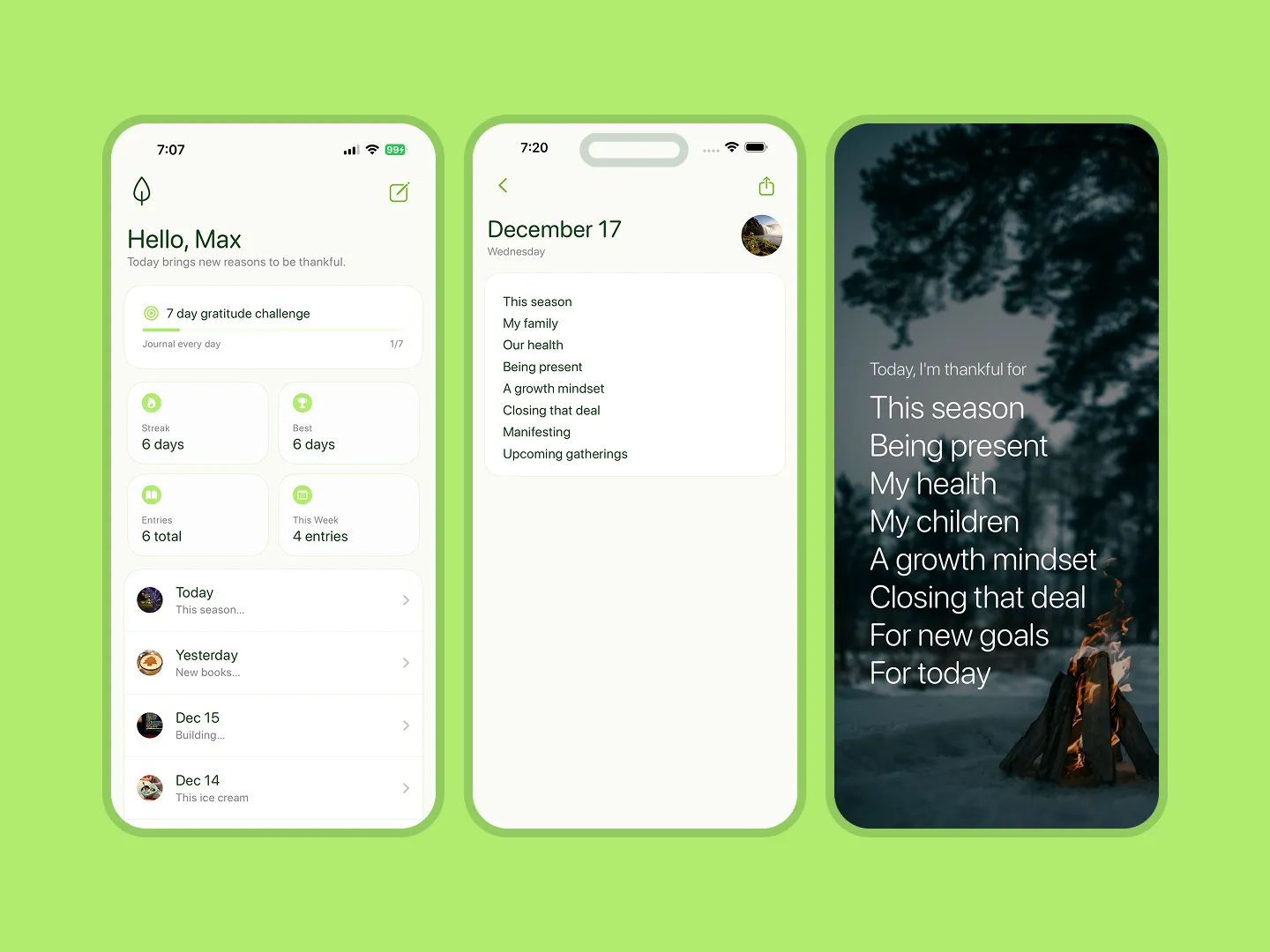
gratu is a minimalist gratitude journal for iPhone and iPad. Native SwiftUI, clean design, feels like opening a fresh notebook. One entry a day, streaks, widgets, iCloud sync. On the App Store and profitable. I’m still kind of blown away that a journaling app I built for myself turned into a real business.
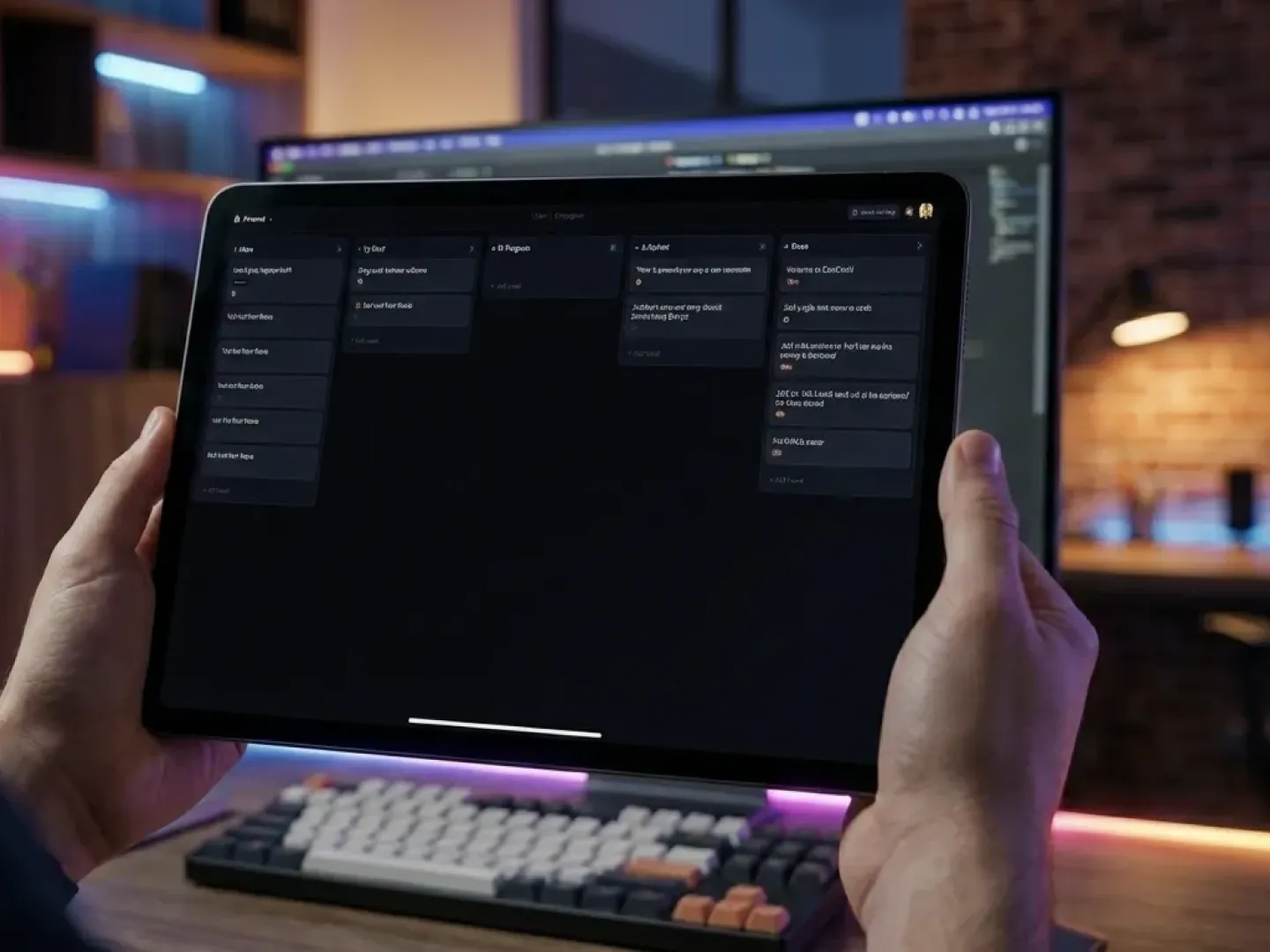
ClawDeck is a kanban board where AI agents and humans work together. Built it for the OpenClaw ecosystem. Bots connect through a REST API, pick up tasks, move cards, report back. Open source, MIT license. It’s been wild watching people build on top of it.
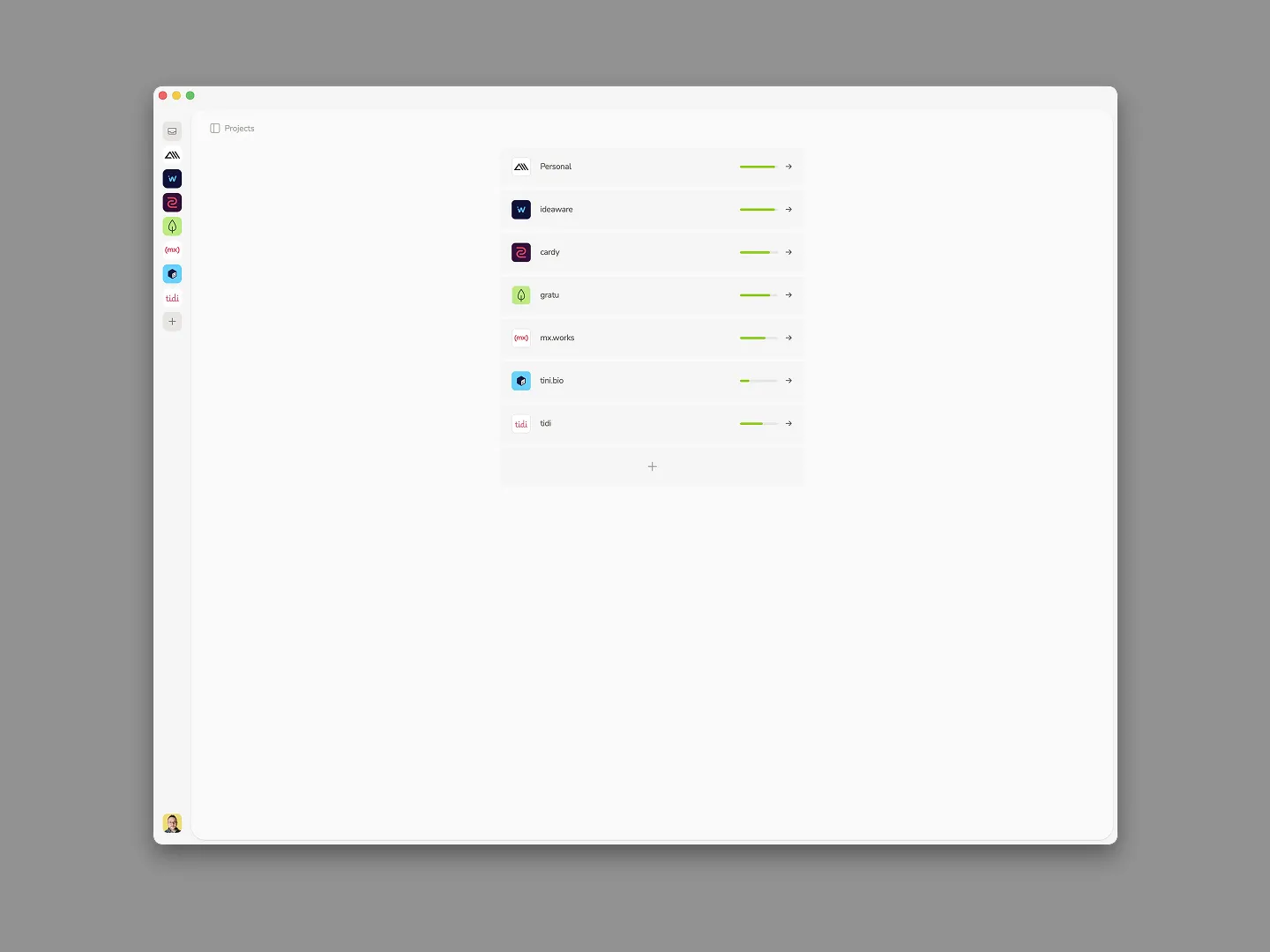
Cardy is my personal project tracker. It’s what lets me run all of this. MCP built in so agents can interact with the boards directly. I built it because nothing else worked the way I think about projects. Use it every single day.
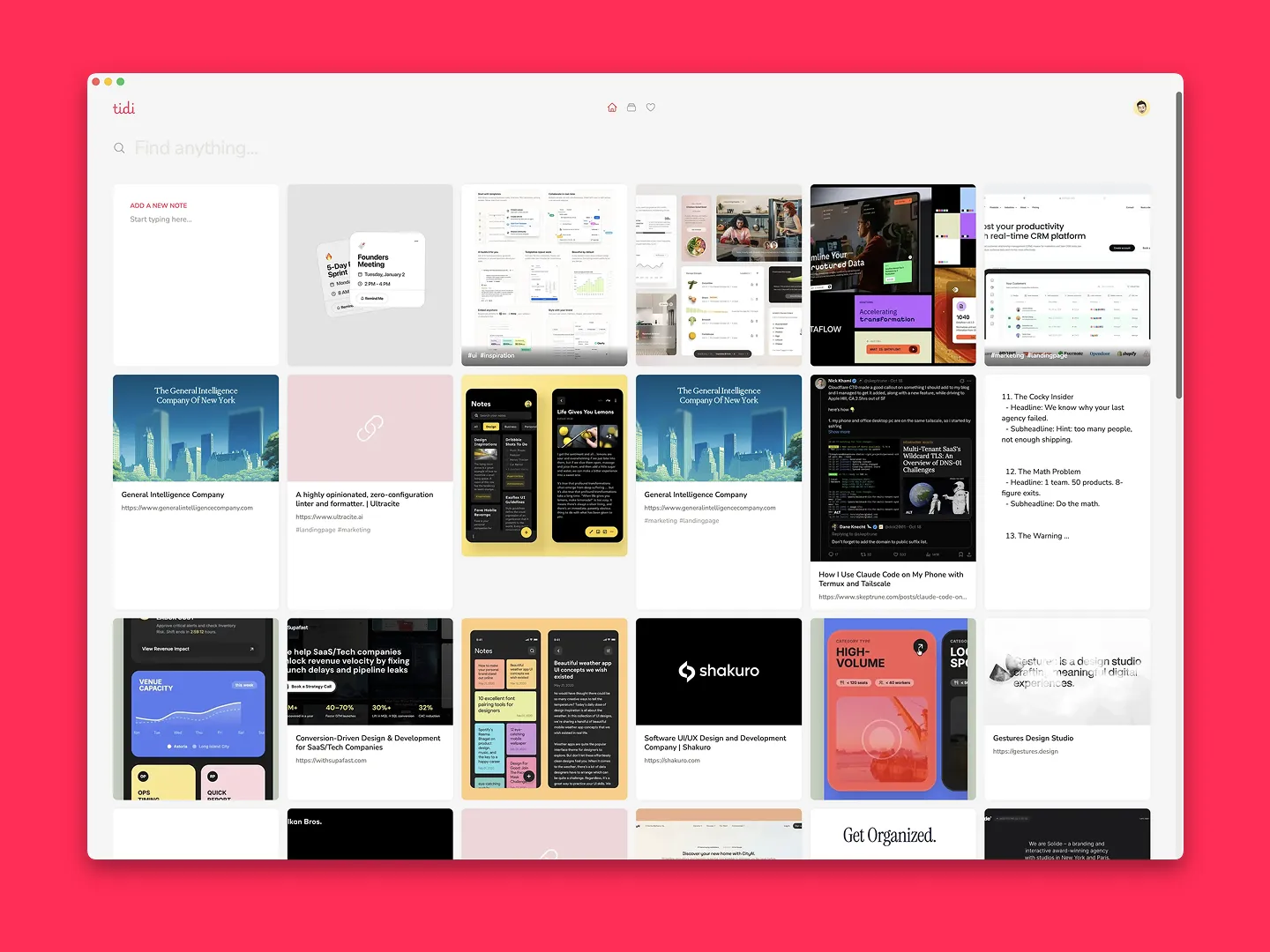
Tidi is a brain organizing app. You create boards and drop anything into them, links, images, notes, whatever. Like moodboards for your thinking. I use it to work through product decisions before they become code. Another one I built for myself that I now can’t work without.
Two of them make money. One is an open source experiment that keeps surprising me. The other two are personal tools that have become essential to how I work. All five running in production. All of them now living under mx.works.
It’s not the tools
It’s tempting to say “AI” and leave it at that. But everyone has Claude and Cursor now. The tools aren’t the story.
What actually made this work is 18 years of knowing what to cut. Every one of these products was scoped down to the smallest thing that would actually matter to a real user. Not the smallest thing I could build (that bar keeps getting lower). The smallest thing worth building. That’s how validation actually works in 2026. Build the real thing, put it in front of people, and watch what happens.
That distinction is everything. AI makes building feel easy, and that’s actually dangerous. I’ve watched products fail recently because someone used AI to build more, faster, without the taste or judgment to build less. The trap isn’t building too slow anymore. The trap is building too much.
The other thing is that I hold the full picture. Strategy, design, code. tini.bio is Rails and Hotwire. gratu is native SwiftUI with CloudKit. ClawDeck is Rails with a REST API. Cardy has MCP baked in. Tidi is built around visual boards. Five products across totally different paradigms, and I’m never context-switching between someone else’s interpretation of the work. The product in my head and the product on screen are the same thing.
That compression, from idea to shipped product without anything getting lost in translation, is what changed.
What I actually think about teams
Here’s where I land after doing this, and it might surprise you. I don’t think the answer is “one person does everything forever.”
If I were to start a team today, it would look nothing like the teams I built five years ago.
The era of 15 people grinding through sprints to ship a feature is over. What’s replacing it is smaller, sharper groups where everyone has real range and AI is woven into the workflow. It’s not about execution anymore. It’s about orchestration. Taste. Knowing what to build and having the judgment to say no to everything else.
One person can ship five products. Imagine what a tight group of three or four people operating this way could do. That’s the part I’m excited about. Not the solo founder thing as a lifestyle, but teams that are so lean and so sharp that they make traditional squads look like they’re running in slow motion.
The rules of building software changed. The people who figure out the new ones first are going to have a massive head start. The more I build, the more I realize that the combination of experience, taste, and these new tools is something most teams haven’t even started to explore.
I’m just getting started.
I write about what building looks like now. If you’re curious, subscribe to my newsletter or let’s talk.
// Newsletter
Get my ideas every Thursday
New posts, insights, and lessons on building products with AI. One email per week.